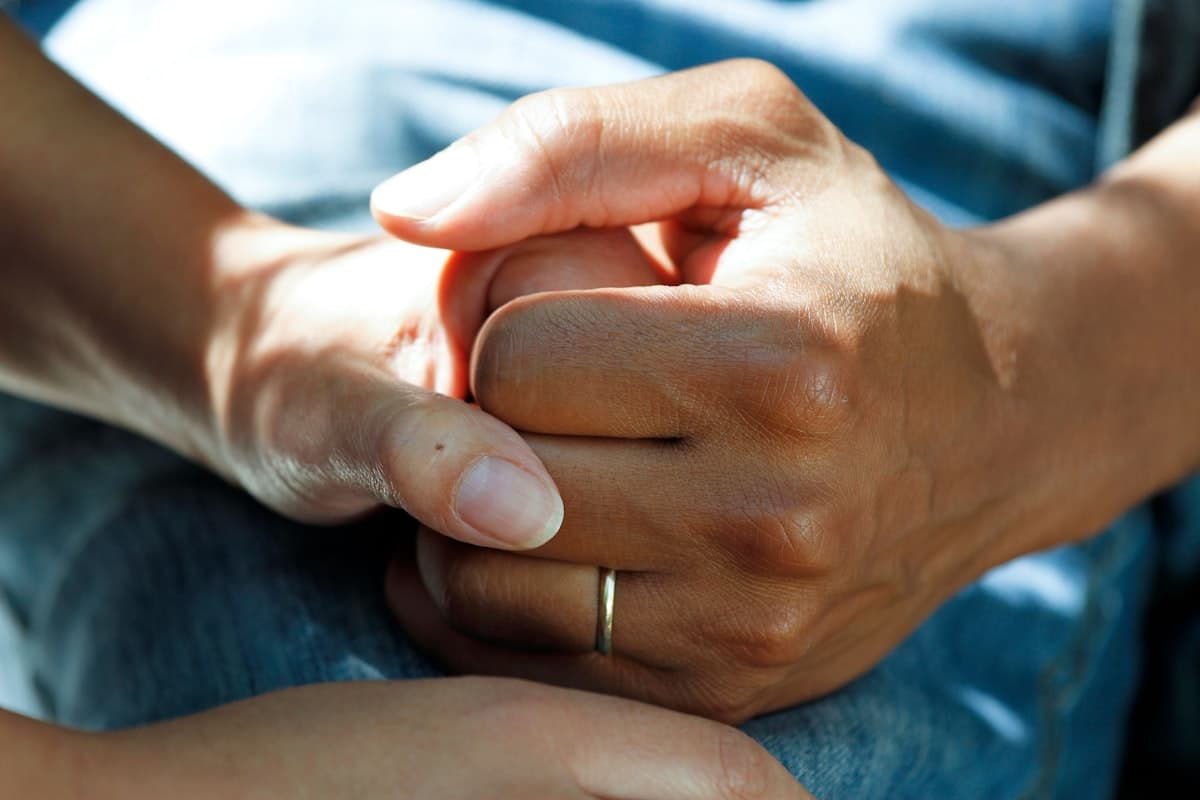
A comprehensive guide to PTSD — what causes it, common symptoms, how it's diagnosed, and the most effective treatments available today.
Post-Traumatic Stress Disorder (PTSD) is a mental health condition that develops after experiencing or witnessing a traumatic event. While it's natural to feel afraid during and after a dangerous situation, people with PTSD continue to feel stressed and frightened long after the trauma has ended.
What Causes PTSD?
PTSD can develop after experiencing any traumatic event, including:
Not everyone who experiences trauma develops PTSD. Factors that increase risk include the severity and duration of the trauma, lack of social support, and having other mental health conditions.
Recognizing PTSD Symptoms
PTSD symptoms typically fall into four categories:
1. Re-experiencing Symptoms
2. Avoidance Symptoms
3. Arousal and Reactivity Symptoms
4. Cognition and Mood Symptoms
How Is PTSD Diagnosed?
A mental health professional will conduct a thorough psychiatric evaluation, including discussing your symptoms, their duration, and how they impact your daily life. Symptoms must persist for more than one month and cause significant distress to receive a PTSD diagnosis.
Effective Treatments for PTSD
Psychotherapy
Medication
SSRIs like sertraline and paroxetine are FDA-approved for PTSD treatment. Other medications like prazosin may help with nightmares. A psychiatric provider can create a medication plan tailored to your needs.
Supportive Strategies
You Don't Have to Face It Alone
PTSD is not a sign of weakness — it's a response to overwhelming experiences. With proper treatment, many people with PTSD go on to live full, meaningful lives.
At The Restora Psychiatry, we specialize in trauma-informed care. Our approach is compassionate, culturally sensitive, and tailored to your unique needs. If you or someone you love is struggling with the effects of trauma, we're here to help.
Topics
Lucy K. Ukachukwu, PMHNP-BC
Founder & Lead Provider
Board-certified Psychiatric Mental Health Nurse Practitioner with over a decade of experience in mental health care, correctional healthcare, and community psychiatry.